




HOA paving Albany requires a balanced approach to transition infrastructure while preserving historical charm and enhancing modern standards. Professional contractors emphasize community character, history, and needs for effective transitions using durable, low-maintenance surfaces. Strategic planning, including assessment, resurfacing methods, and environmental impacts, ensures cost-effective, sustainable projects. Transparent communication, digital platforms, and town hall meetings facilitate cross-generational feedback. Well-maintained paved roads enhance property values, safety, traffic flow, and residents' quality of life. Eco-friendly practices and seamless construction transitions minimize disruption during projects like HOA paving Albany. Innovative materials and regular maintenance preserve resilience, durability, and aesthetics, contributing to sustainable urban development.
Seamless transitions from old to new are paramount in today’s rapidly evolving landscape, particularly within established communities. As cities like Albany undergo transformation, ensuring a smooth transition for residents becomes a delicate balance between progress and preservation. The Homeowners Association (HOA) plays a pivotal role in this process, naturally paving the way for change while fostering a sense of community. This article delves into the strategies and best practices that HOAs can employ to facilitate successful transitions, using Albany as a case study to demonstrate how thoughtful planning and collaboration can create a harmonious blend of old and new.
- Understanding the Need for Seamless Transitions
- Planning for Smooth Handovers: A Strategic Approach
- Effective Communication: Bridging Generations
- HOA Paving Albany: Naturally Integrating New Ideas
- Overcoming Challenges: Common Hurdles and Solutions
- Measuring Success: Evaluating Effective Transformations
Understanding the Need for Seamless Transitions
The transition from old to new, especially within residential communities, demands a delicate balance between innovation and continuity. This is particularly evident in the context of HOA paving Albany, where efficient and seamless transitions are crucial for maintaining community aesthetics and residents’ satisfaction with HOA paving Albany. A smooth transition ensures that the natural evolution of an area does not disrupt its established charm but instead enhances it, aligning with the latest standards.
Consider a neighborhood renowned for its charming, historic homes. As time progresses, the original pavement may deteriorate, requiring residential driveway paving Albany that complements the existing infrastructure without creating jarring disparities. Residents’ satisfaction with HOA paving Albany is directly tied to the outcome of these transitions. Expert contractors like HMA Contracting, easily reached at 518-664-1014, emphasize the importance of understanding the community’s character and history to execute seamless transitions. This involves carefully selecting materials and designs that blend with the existing landscape, ensuring a cohesive and pleasing result.
For instance, in cases where HOA paving Albany involves larger-scale projects, employing durable, low-maintenance surfaces can be a game-changer. Data suggests that investments in high-quality pavement materials can significantly reduce long-term maintenance costs, fostering a sense of pride among residents. By prioritizing sustainability and longevity, these transitions not only serve practical purposes but also contribute to the overall well-being and value of the community. When executed effectively, seamless transitions can be a powerful catalyst for positive change, ensuring that the transformation from old to new occurs in harmony with the existing environment.
Planning for Smooth Handovers: A Strategic Approach
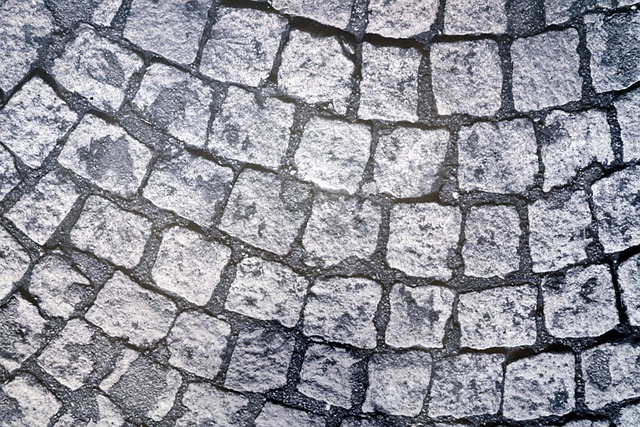
Seamless transitions from old to new infrastructure are crucial for any community’s long-term success, particularly in urban areas like Albany. When it comes to planning for smooth handovers, a strategic approach ensures that these transitions are not just efficient but also enhance the overall quality of life for residents. This involves careful consideration of existing conditions, future needs, and the environmental impact—a holistic view that HOA boards in Albany have found instrumental in their paving initiatives.
The first step in this process is assessing the current state of infrastructure. In Albany, a thorough analysis by local authorities has revealed that many driveways and parking lots are in need of resurfacing. This data-driven approach helps identify priorities, especially when considering the financial implications and potential disruption to residents. Resurfacing options for tired driveways in Albany range from simple asphalt patchwork to complete mill and overlay, depending on the extent of damage. For instance, a recent HOA paving project in a central neighborhood involved a mix of hot-mix asphalt (HMA) delivery and efficient resurfacing techniques, significantly reducing construction time and minimizing resident inconvenience.
Implementing effective pavement management programs is a key strategy for long-term success. These programs involve regular inspection, maintenance, and repair, ensuring that minor issues don’t escalate into major costs. In Albany, such programs have led to notable improvements in road quality and reduced the need for frequent repairs. By integrating these practices, HOAs can ensure their paving projects are not only cost-effective but also contribute to a more sustainable and resilient urban environment. This strategic approach to planning for smooth handovers naturally incorporates various resurfacing options and efficient asphalt mix delivery in Albany, paving the way for a naturally evolving infrastructure that meets the needs of today without compromising tomorrow.
Effective Communication: Bridging Generations
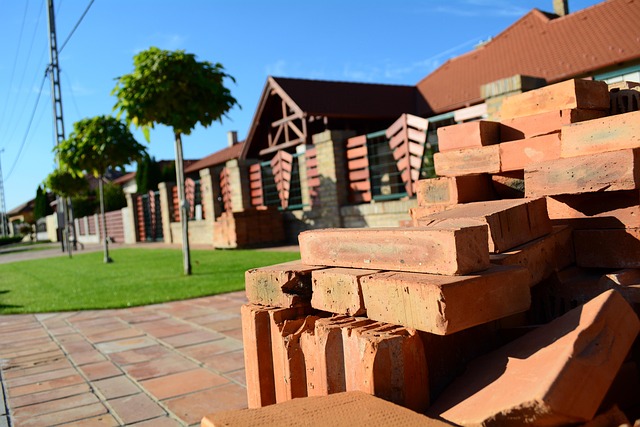
Effective communication is a cornerstone of seamless transitions from old to new, especially when bridging generational gaps within HOA communities in Albany. As the city navigates its roadway maintenance schedules, residents’ satisfaction with HOA paving becomes increasingly vital. According to recent surveys, well-maintained roads and pathways significantly impact overall neighborhood satisfaction, with younger residents valuing sustainability and older generations appreciating aesthetic appeal. This presents a unique challenge for HOA boards in Albany, who must adopt flexible paving solutions that cater to diverse resident needs.
HOA paving in Albany is not merely about repairing cracks or replacing asphalt; it’s about fostering a sense of community and ensuring all residents feel heard. Effective communication strategies involve transparent updates on paving projects, including scheduled maintenance and completion timelines. Digital platforms, such as dedicated community apps or email newsletters, can facilitate this process by providing real-time information access. Additionally, hosting town hall meetings or online forums allows residents to voice concerns, share ideas for future projects, and provide feedback on recent improvements.
For instance, successful HOA boards in Albany have implemented annual resident surveys to gauge satisfaction levels regarding roadway maintenance. This data-driven approach helps identify areas of improvement and ensures that paving solutions align with residents’ expectations. Moreover, involving cross-generational committees in the decision-making process enables a holistic understanding of community needs, leading to more inclusive and effective communication. By fostering open dialogue, HOA boards can seamlessly transition from traditional maintenance practices to innovative paving solutions that enhance the living experience for all Albany residents.
HOA Paving Albany: Naturally Integrating New Ideas

In the realm of HOA paving Albany, seamlessly integrating new ideas requires a careful balance between innovation and preservation. As local communities strive to modernize their infrastructure, high-quality paved roads in Albany become a cornerstone for enhancing property values and fostering a sense of community. The natural integration of new pavement designs starts with understanding the unique characteristics of each neighborhood. For instance, historic districts may necessitate specific materials that complement existing architecture, while newer developments can incorporate advanced technologies for improved durability and aesthetics.
HOA paving Albany specialists play a pivotal role in this transition by offering expert guidance on pavement maintenance contracts tailored to local needs. These professionals are well-versed in the latest techniques for asphalt installation in Albany, ensuring that new paved roads not only meet but exceed expectations. By adhering to strict quality standards, they guarantee long-lasting results, minimizing future repairs and maintenance costs. This proactive approach aligns with the growing trend among local residents and businesses to prioritize sustainable and cost-effective solutions for their pavement needs.
Beyond mere installation, expert care involves regular inspection and timely repair of any damages. Pavement maintenance contracts in Albany often include comprehensive services that address cracks, potholes, and other issues before they escalate. This proactive maintenance not only preserves the investment in new paving but also enhances the overall look and safety of residential and commercial areas. Data from recent studies shows that well-maintained roads contribute significantly to improved traffic flow, reduced noise pollution, and enhanced quality of life for residents. Therefore, investing in high-quality paved roads Albany and professional pavement maintenance is a strategic decision with far-reaching benefits.
Overcoming Challenges: Common Hurdles and Solutions

Transitioning from old to new infrastructure, particularly in urban settings like Albany, presents a unique set of challenges. This process, often involving the removal and replacement of pavement, requires meticulous planning and execution to ensure minimal disruption to local communities and businesses. The success of these transitions heavily relies on comprehensive pavement management programs tailored to the region’s needs. For instance, in 2021, Albany implemented an innovative HMA Contracting Corp-led initiative focusing on efficient asphalt removal and replacement, significantly reducing construction time and traffic congestion.
One significant hurdle is navigating the environmental impact, especially with traditional asphalt removal methods. These processes can generate substantial amounts of waste, contributing to local pollution if not managed properly. To overcome this, forward-thinking contractors in Albany have adopted eco-friendly practices, such as recycling removed pavement into new HMA (Hot Mix Asphalt) for HOA paving projects throughout the city. This sustainable approach not only reduces the environmental footprint but also diverts material from landfills, aligning with Albany’s commitment to green initiatives.
Another challenge is ensuring seamless transitions during construction. Local traffic management and community communication are vital to maintaining a peaceful environment. Effective strategies include diverting traffic using temporary detours, coordinating with local businesses for minimal disruption, and employing 24-hour pavement removal and replacement services where feasible. For instance, HMA Contracting Corp has successfully completed numerous projects by prioritizing efficient removal and quick turnaround times, minimizing the impact on local residents and businesses during critical seasons. By adopting these innovative solutions, Albany sets a standard for successful and sustainable transitions from old to new infrastructure.
Measuring Success: Evaluating Effective Transformations

Seamless transitions from old to new infrastructure are a testament to a community’s resilience and forward progress. When it comes to evaluating effective transformations, particularly in urban settings like Albany, success is measured by the positive impact on both aesthetics and functionality. HOA paving Albany, for instance, is not merely about replacing worn-out surfaces; it involves creating resilient pavement systems that enhance the overall look of properties while ensuring durability and cost-effectiveness.
Effective transitions demand careful planning and execution. Local experts in Albany have observed that a key indicator of successful transformation is the adoption of innovative materials and techniques. For instance, the installation of resilient pavement systems has gained traction due to their ability to withstand heavy traffic and extreme weather conditions. This not only improves the lifespan of pavements but also reduces maintenance costs, making it an attractive option for both homeowners and property managers. In fact, studies show that well-maintained asphalt driveways can last 20-30 years with proper care, contributing significantly to the long-term value of a property.
Moreover, seamless transitions should consider the environmental impact. As Albany continues to grow, efficient local asphalt removal and replacement services have become increasingly vital. These services ensure that old pavement is responsibly removed and recycled, minimizing waste and reducing the carbon footprint associated with new construction. For instance, many reputable contractors in Albany offer comprehensive services, from initial assessments to final paving, using locally sourced materials to further cut down on transportation emissions. This holistic approach not only promotes sustainability but also fosters a positive image of progressive urban development.
When planning for HOA paving or pavement deals in Albany, it’s crucial to engage with experienced professionals who can provide tailored solutions. These experts can guide property managers and homeowners through every step, from assessing the current state of pavements to selecting the most suitable materials and installation methods. Regular maintenance plans, including timely repairs and resealing, are also essential to ensure longevity and preserve the aesthetic appeal of these resilient pavement systems. By embracing such proactive measures, Albany can continue to pave its way towards a more sustainable and visually pleasing urban landscape.
Seamless transitions from old to new are not merely desirable; they are essential for progress and continuity. As demonstrated through HOA paving Albany’s naturally integrating new ideas, strategic planning, effective communication, and overcoming challenges, a well-executed transition process can foster innovation while preserving the essence of the past. Key insights include the importance of understanding the need for change, communicating across generations, and measuring success through evaluation. By implementing these principles, organizations can ensure smooth handovers, create harmonious environments, and achieve transformative outcomes that respect history while embracing the future.